



- By admin
- 18.08.2024
- Vegan lifestyle
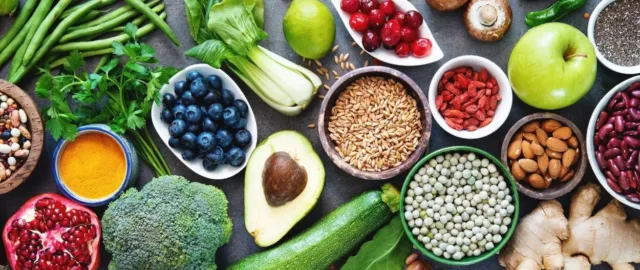
Veganism is much more than just a dietary choice – it’s a lifestyle that respects animal rights, supports the environment and can bring significant health benefits. If you’re interested in going vegan but don’t know where to start, this article is for you. Here you’ll find practical advice on how to get started, what your nutritional needs are, how to find easy recipes, what foods to substitute and how to make this lifestyle change as smooth and sustainable as possible.
Why Choose Veganism?
Before you start, it's important to understand why you want to go vegan. Going vegan can improve your health, reduce your environmental footprint, and help animal welfare. If you have a clear motivation, it's easier to commit to the change. The best way to motivate, encourage, and educate yourself is to look at documentaries which talk about veganism, the suffering of animal farms, and the environmental impacts of the animal industry.
Easy and Delicious Vegan Recipes
One of the best ways to embrace veganism is to start with simple recipes. There are tons of vegan recipes online that are both delicious and easy to make. Here are some popular sources for inspiration:
- Vegan blogs: For example, Minimalist Baker, Oh She Glows and Vegan Richa offer recipes that are designed for everyday cooking. Among Estonian bloggers, we recommend Sandra Vung wonderful vegan recipes.
- Recipe books: For example, we recommend books like “How Not to Die Cookbook” and “Thug Kitchen.”
- YouTube: Channels like Bosh.TV and Avantgarde Vegan It's worth following because they offer simple video tutorials.
Substitute Products and How to Use Them
As a vegan, you have many options to replace animal products with plant-based alternatives, such as:
- Milk: Instead of regular cow's milk, try almond, oat, or soy milk.
- Cheese: The selection of vegan cheeses is constantly expanding. Cheeses made with coconut oil and nuts are popular.
- Meat products: Plant-based meat substitutes like Beyond Meat and breadfruit are great for making vegan burgers or tacos.
- Egg: When baking, replace eggs with ground flaxseeds or chia seeds. Tofu makes great scrambled egg-style dishes.
What to pay attention to at the beginning
Just like everyone else, it's important for vegans to make sure they're getting all the nutrients they need from their diet. Here are the main nutrients you should pay more attention to:
- Protein: Beans, lentils, chickpeas, tofu, tempeh, and whole grains are excellent sources of protein.
- Vitamin B12: This vitamin is mainly found in animal products, so it is recommended to take a B12 supplement or choose foods fortified with B12, such as certain plant-based milks or breakfast cereals.
- Iron: Plant sources include spinach, legumes, tofu, and nuts. Combine them with foods rich in vitamin C (like bell peppers or oranges) to improve absorption.
- Omega-3 fatty acids: Algae, flaxseeds, chia seeds, and walnuts are good plant-based sources of omega-3s.
- Calcium: Consuming plant-based milk, tofu, and leafy greens helps meet calcium needs.
- Vitamin D: You may want to consider taking a vitamin D supplement during the winter months, especially if you live in an area with limited sunlight.
We recommend that all new vegans discuss this with their family doctor and have a blood test every three to six months for the first year. This is to find out whether all the necessary nutrients are being properly received or whether you need to re-plan your usual diet a little. You can always replace the deficiency with supplements, although it is preferable to prepare a richer diet.
How to Simplify Change
Embracing veganism doesn't have to be difficult. Start gradually, such as by initially reducing your meat intake and adding more plant-based foods to your diet. Look for food items you already love and find vegan versions of them. Here are some additional tips:
- Plan ahead: Create a meal plan and prepare meals in advance to avoid momentary cravings.
- Read product labels: This helps prevent the mistaken consumption of products containing animal ingredients. For example, we often don't think about the fact that most chocolates contain milk and baked goods contain eggs.
- Join the community: A supportive environment, whether it be Facebook group, forum or friends who are vegan will help you stay motivated.
How to Stay Vegan
The first weeks and months can be difficult, but here are some tips to help you stay on track:
- Remember your motivation: Write down the reasons why you started and return to them when temptation arises.
- Be patient.: Every change takes time. Be kind to yourself and understand that mistakes happen – the important thing is to learn from them and move on.
- Experiment and enjoy the process: Veganism is not restrictive; it opens up a new world full of flavors and possibilities.
The journey to veganism is full of discovery and opportunity. It's important to take the first step and be willing to learn and adapt. We hope that following this guide will help you transform your lifestyle into a healthier, more sustainable, and more animal-friendly one.
Also check out our delicious vegan products in our online store